- One thin stroke along the upper lash line is the entire dose. More product does not mean faster results.
- Apply at night, to clean, completely dry skin, with contact lenses removed.
- Never apply to the lower lash line or waterline.
- Over-application is the leading cause of eyelid darkening — technique is a safety measure, not a detail.
Two people can use the same serum, from the same batch, for the same twelve weeks, and get completely different outcomes. Application technique explains most of that gap — and unusually for a cosmetic, technique here is not just about efficacy. It is the main thing standing between you and the side effects the category is known for.
Why technique decides the outcome
A lash serum needs to reach the base of the lash, at the follicle, along the upper lid margin. Product that lands anywhere else — on the lid skin, in the eye, on the lash tips — contributes nothing useful. With a peptide formula, misplaced product is simply waste. With a prostaglandin formula, misplaced product on the lid is exactly where periorbital skin darkening begins.
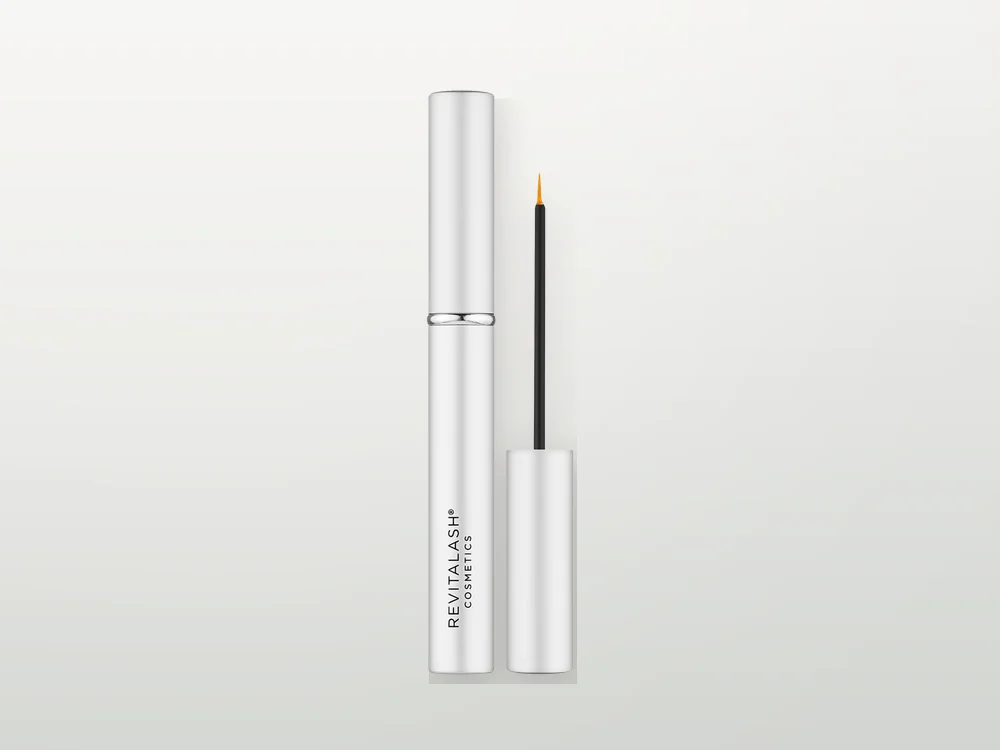
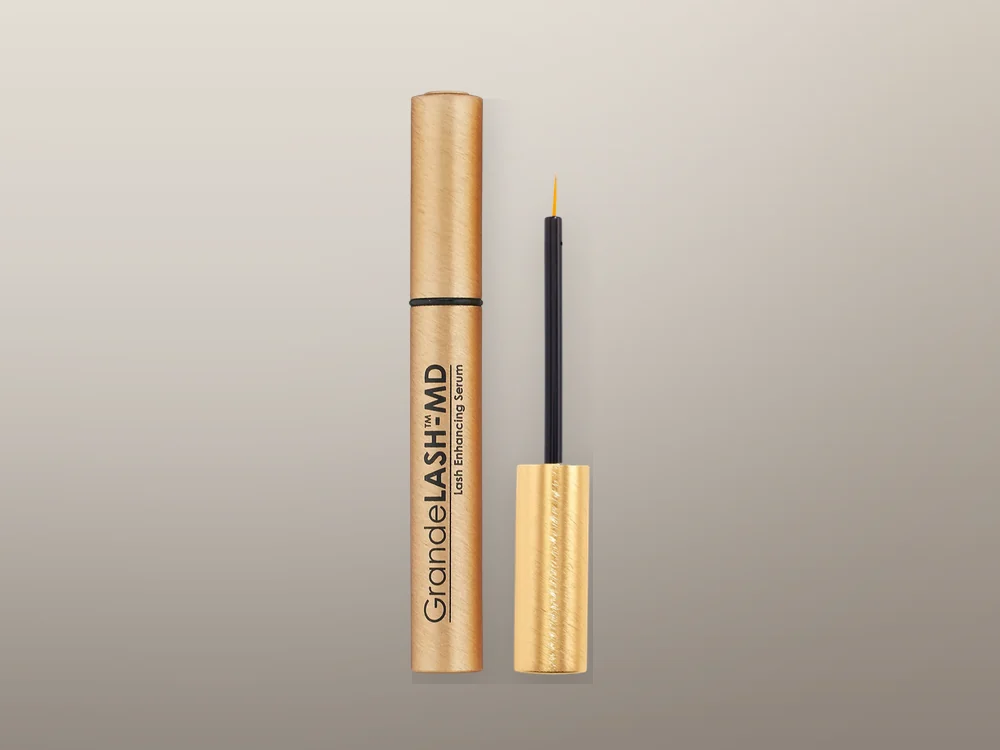
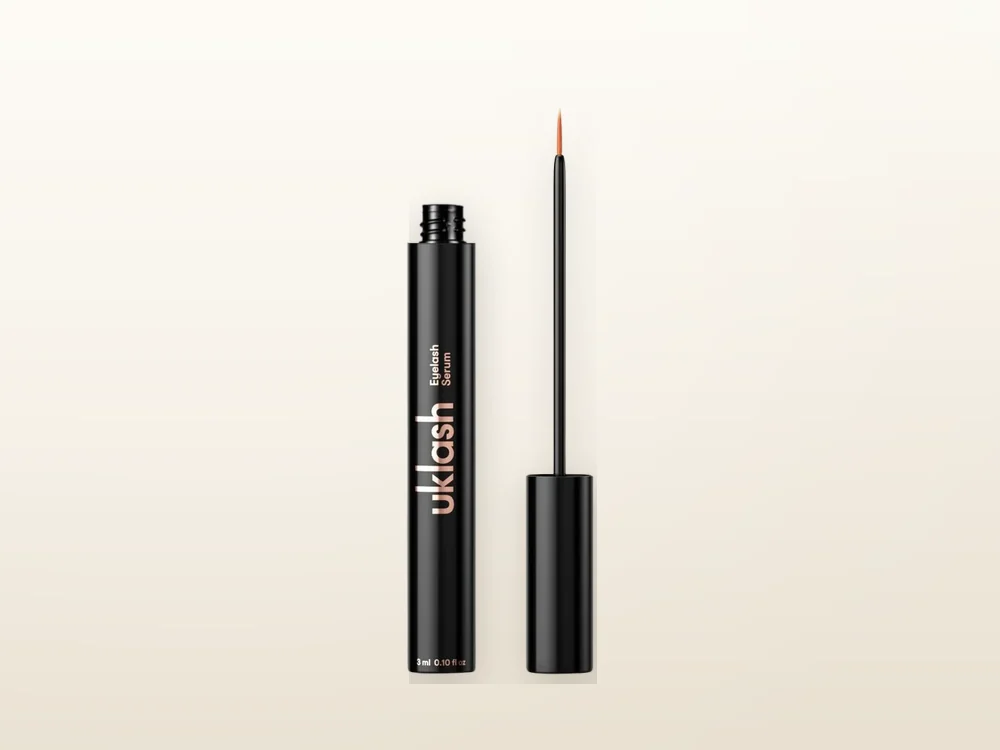
This is why applicator geometry is a scored dimension in our rubric. A fine liner tip puts a controlled amount of product on a controlled line. A broad doe-foot brush loads more product than the lash line can hold and pushes the excess onto skin.
The protocol, step by step
- Remove all eye makeup and contact lenses. Any residue creates a barrier; lenses can absorb product.
- Cleanse and dry completely. Not damp — dry. Water dilutes the serum and encourages it to run.
- Load the applicator correctly. One dip. Wipe the excess against the neck of the bottle. The tip should be damp, not dripping.
- Draw a single thin stroke along the upper lash line, from inner to outer corner, exactly as you would a fine eyeliner. The stroke sits at the base of the lashes, on the lid margin — not above it on the lid, not below it on the waterline.
- Use the same load for the second eye. If the tip is dry, one more small dip. Most people use roughly half of what they think they need.
- Blot any excess immediately with a clean tissue, especially at the inner corner where product pools.
- Let it dry fully — two to three minutes — before applying eye cream, night cream or lying down. Wet serum migrates.
- Repeat nightly for twelve weeks. Consistency beats quantity by a wide margin.
Where it fits in your routine
Night, always — the lash line is undisturbed for hours and nothing is going over the top of it. Order matters: cleanse, then serum, then wait for it to dry, then the rest of your skincare. Applying eye cream first creates an occlusive barrier the serum has to get through; applying it immediately after, while the serum is wet, drags product onto the lid.
If you use retinoids around the eye, keep them on separate parts of the routine or alternate nights while you establish tolerance. Both are active, and the eye area is thin.
Five mistakes that ruin results
1. Using too much. The most common and the most consequential. Excess does not accelerate anything — it migrates onto the lid, wastes product, and with prostaglandin formulas is directly implicated in skin darkening.
2. Applying to the lower lash line. Almost no manufacturer recommends it. It roughly doubles your exposure and puts product on the lid margin closest to the eye surface, where blinking pulls it in.
3. Stopping at week six. Nearly every “it did nothing” account we can trace ends before day sixty. A peptide serum at week six has barely started to show what it does.
4. Applying to wet skin or over makeup. Both dilute the serum and cause it to run somewhere it should not be.
5. Skipping maintenance. Finishing the twelve weeks and stopping entirely returns you to baseline within two to three months. Two or three applications a week holds the result.
Extensions, lifts, lenses and sensitive eyes
With extensions: serums are compatible and often beneficial, but use an oil-free formula, apply sparingly, and let it dry completely before sleeping so it does not creep into the adhesive bond.
After a lash lift: wait 48 hours, then start. This is one of the best moments to run a conditioning peptide cycle, since lifted lashes are chemically stressed.
With contact lenses: remove before applying, wait fifteen minutes before reinserting. Some serum ingredients bind to soft lens material.
Sensitive eyes: patch-test on the inner forearm for three consecutive nights first. Then start every other night for two weeks before moving to nightly. Ramping in this way catches an intolerance before it becomes a problem.
After the first twelve weeks
Drop to two or three applications per week. Same technique, same single stroke. This holds the result at roughly a third of the exposure and stretches a bottle dramatically — which is why cost per treated month is a better comparison than shelf price. If you notice the result softening after a month or two of maintenance, step back up to nightly for four weeks and then return to maintenance.
Frequently asked questions
How much lash serum should I use?
One thin stroke along the upper lash line per eye — that is the entire dose. Dip the applicator once, wipe the excess against the neck of the bottle so the tip is damp rather than dripping, and draw a single line from inner to outer corner. Using more does not speed results; it causes product to migrate onto the eyelid, which is where pigmentation problems begin with prostaglandin formulas.
Should I apply lash serum to the top or bottom lashes?
Upper lash line only. Almost no manufacturer recommends applying to the lower lash line, and doing so roughly doubles your exposure while placing product on the lid margin nearest the eye surface, where blinking draws it in. Never apply to the waterline.
When should I apply lash serum, morning or night?
At night, on clean and completely dry skin, after cleansing and before the rest of your eye-area skincare. Let it dry fully for two to three minutes before applying anything else or lying down, since wet serum migrates onto the lid. Night application means the lash line is left undisturbed for hours.
Can I use lash serum with eyelash extensions?
Yes, and it can help — extensions stress the natural lash. Use an oil-free formula, apply the normal single thin stroke at the lash line rather than along the extensions, and allow it to dry completely before sleeping so it does not seep into the adhesive bond. Avoid castor oil and other oil-heavy products entirely while extensions are on.